

Finding an Emergency Dentist in Scottsdale: Your Guide to Immediate Dental Care
Need an emergency dentist in Scottsdale or Phoenix? Learn how to handle dental emergencies, find urgent care fast, and protect your oral health.
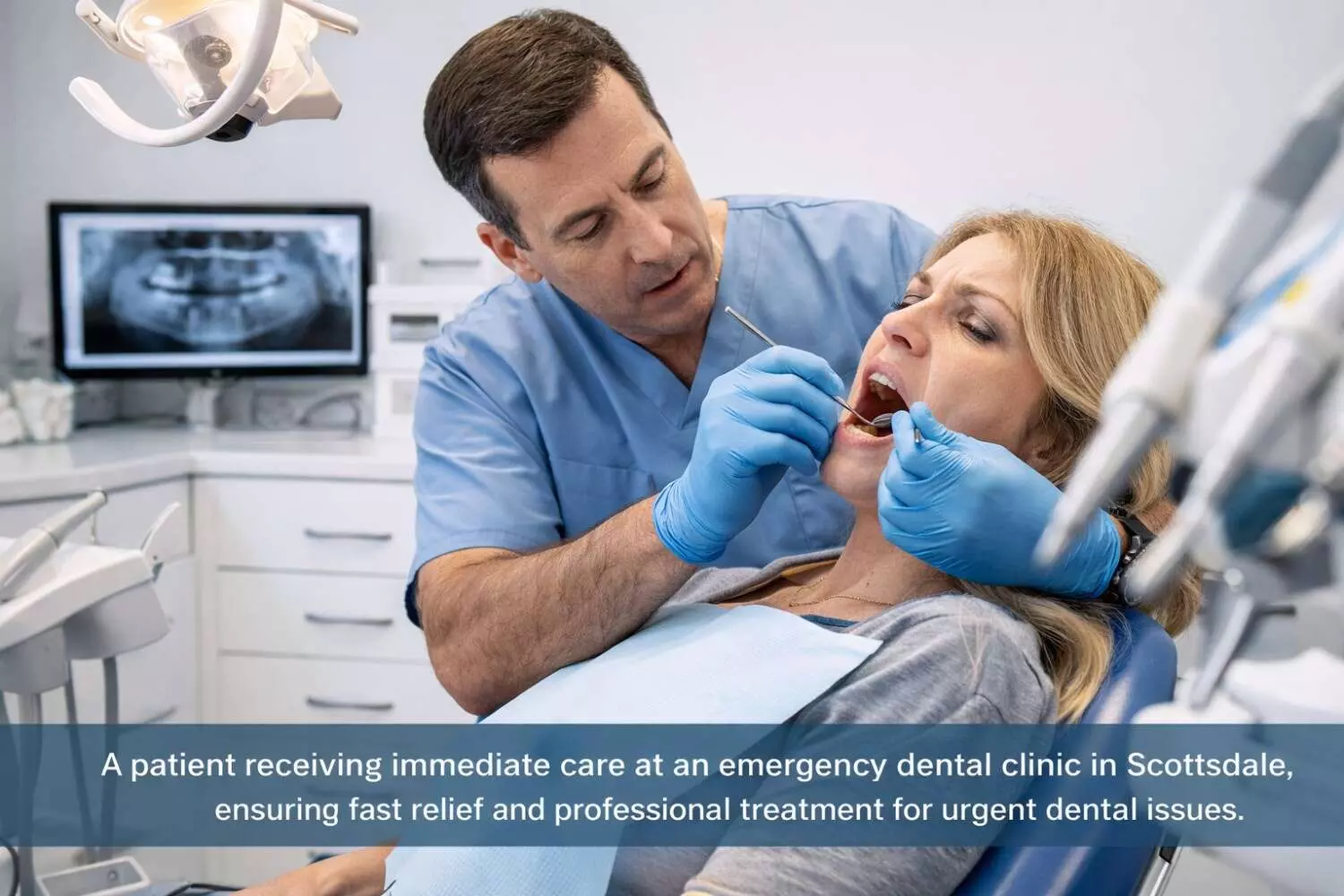
A patient receiving immediate care at an emergency dental clinic in Scottsdale, ensuring fast relief and professional treatment for urgent dental issues.
When a dental emergency strikes, finding immediate professional care becomes your top priority. Whether you're dealing with severe tooth pain, a knocked-out tooth, or a broken crown, having access to a reliable emergency dentist can make the difference between saving and losing a tooth. For residents of the Phoenix and Scottsdale areas, understanding your emergency dental options and knowing where to turn for urgent care is essential for maintaining optimal oral health.
Dental emergencies don't follow a convenient schedule, often occurring during evenings, weekends, or holidays when most dental offices are closed. This reality makes it crucial to identify the best dentist Scottsdale has to offer before you find yourself in a crisis situation. By preparing in advance, you can act quickly when a dental emergency arises and potentially prevent minor issues from becoming major complications.
Common Types of Dental Emergencies Requiring Immediate Attention
Understanding what constitutes a true dental emergency helps you respond appropriately and seek the right level of care. Some situations require immediate emergency dental treatment, while others can wait until regular business hours with proper temporary management.
Severe tooth pain that interferes with daily activities ranks among the most common reasons people seek urgent dental care. This type of pain often indicates an infection or abscess that requires prompt antibiotic treatment and possible root canal therapy. Ignoring severe dental pain can lead to the spread of infection to other parts of the body, creating potentially life-threatening complications.
Traumatic injuries to teeth and gums frequently occur during sports activities, accidents, or falls. A completely knocked-out permanent tooth represents a time-sensitive dental emergency where immediate action can mean the difference between successful reimplantation and permanent tooth loss. The best chances for saving the tooth occur when treatment begins within 30 minutes of the injury.
Other urgent situations include:
- Broken or cracked teeth that expose the inner pulp
- Lost fillings or crowns causing sensitivity and pain
- Severe bleeding from the gums or mouth
- Abscesses or facial swelling indicating infection
- Broken dental appliances cutting the soft tissues
What to Do Before Reaching Your Emergency Dentist
Taking appropriate immediate action can significantly impact the outcome of your dental emergency. For knocked-out teeth, handle the tooth only by the crown, rinse it gently with water if dirty, and attempt to reinsert it into the socket if possible. If reinsertion isn't feasible, store the tooth in milk or saliva while seeking emergency care.
When dealing with severe tooth pain, over-the-counter pain relievers can provide temporary relief, but avoid placing aspirin directly against the gums as this can cause tissue damage. Cold compresses applied to the outside of the cheek help reduce swelling and numb pain while you arrange for professional treatment.
For broken teeth, save any fragments you can find and rinse your mouth with warm water. If bleeding occurs, apply gauze to the area with gentle pressure. Temporary dental cement from a pharmacy can cover sharp edges that might cut your tongue or cheek, but this represents only a short-term solution until you can see a dentist.
How to Choose the Best Dentist Scottsdale Offers for Emergencies
Not all dental practices provide emergency services, making it important to research your options before you need urgent care. The best emergency dental providers offer extended hours, weekend availability, and after-hours contact options. Look for practices that maintain emergency phone lines and can provide guidance over the phone when immediate office visits aren't possible.
Experience with emergency procedures is crucial when selecting an emergency dentist. Dentists who regularly handle urgent cases develop the skills and judgment necessary to make quick decisions under pressure. They also maintain the specialized equipment and materials needed for emergency treatments, from emergency root canals to tooth reimplantation procedures.
Location plays a vital role in emergency situations where time is critical. Choosing a practice with convenient locations in Scottsdale or Phoenix ensures you can reach professional care quickly when every minute counts. Lernor Family Dental provides comprehensive emergency dental services with convenient locations serving both Scottsdale and Phoenix communities.
Advanced technology and modern facilities enhance the quality of emergency care. Digital X-rays provide immediate diagnostic images, while modern anesthesia techniques ensure patient comfort during urgent procedures. Practices that invest in current technology can often provide more effective and efficient emergency treatment.
Prevention Strategies to Avoid Future Dental Emergencies
While not all dental emergencies can be prevented, many common urgent situations result from preventable causes. Regular dental checkups allow your dentist to identify and address problems before they become emergencies. Small cavities caught early require simple fillings, but ignored decay can lead to infections requiring emergency root canal treatment.
Protective measures during sports and recreational activities significantly reduce the risk of dental trauma. Custom mouthguards provide superior protection compared to generic options and can prevent thousands of dollars in emergency dental treatment. Many dental offices now offer same-day mouthguard fabrication using digital impression technology.
Avoiding harmful habits protects your teeth from unnecessary stress and damage. Using teeth as tools to open packages or crack nuts can cause fractures requiring emergency treatment. Similarly, chewing ice or hard candy places excessive force on teeth and existing dental restorations, potentially causing breaks or loosening crowns and fillings.
Maintaining excellent oral hygiene prevents most dental infections that lead to emergency situations. Brushing twice daily with fluoride toothpaste, flossing regularly, and using antimicrobial mouthwash creates an environment hostile to harmful bacteria. Professional cleanings remove plaque and tartar buildup that home care cannot eliminate, reducing the risk of gum disease and tooth decay.
When to Visit the Emergency Room vs. Seeking Dental Emergency Care
Understanding the difference between situations requiring hospital emergency room treatment and those best handled by a dental professional helps ensure you receive appropriate care efficiently. Hospital emergency rooms excel at treating medical emergencies but have limited ability to provide definitive dental treatment.
Visit a hospital emergency room for dental-related problems involving difficulty swallowing, breathing problems, high fever, or significant facial swelling that affects the eyes or neck area. These symptoms can indicate serious infections spreading beyond the oral cavity and require immediate medical intervention and intravenous antibiotics.
For most other urgent dental situations, seeking care from a qualified emergency dentist provides more appropriate and comprehensive treatment. Dental offices maintain the specialized equipment, materials, and expertise necessary to address dental emergencies effectively. Experienced emergency dental providers can perform procedures like root canals, tooth extractions, and crown repairs that emergency rooms cannot provide.
The cost difference between emergency room visits and dental emergency care can be substantial. Emergency rooms typically charge facility fees in addition to treatment costs, and their limited dental treatment options often require follow-up care with a dentist anyway. Direct treatment by a dental emergency specialist eliminates duplicate costs and provides more comprehensive care.
Building a Relationship with Your Emergency Dental Provider
Establishing a relationship with a comprehensive dental practice before emergency situations arise provides significant advantages. Dentists familiar with your oral health history can make more informed treatment decisions and provide personalized care based on your specific needs and preferences.
Regular preventive care appointments allow your dental team to document your oral health status through photographs, X-rays, and detailed examination records. This documentation proves invaluable during emergency situations when quick decisions about treatment options are necessary. Your dentist can compare current problems to baseline records to assess the extent of damage or infection.
Comprehensive family dental practices offer the convenience of emergency care integrated with routine preventive and cosmetic services. This approach ensures continuity of care and allows for long-term treatment planning that considers both immediate emergency needs and future oral health goals. Full-service dental practices can address emergency situations while maintaining focus on overall family oral health.
Building trust with your dental provider reduces anxiety during emergency situations. When you already know and trust your dentist, emergency visits feel less stressful and more manageable. This comfort level allows for better communication about symptoms and treatment preferences, leading to more satisfactory outcomes.
Dental emergencies can be stressful and painful experiences, but having a plan and knowing where to turn for quality care makes these situations more manageable. The key to successful emergency dental treatment lies in quick action, appropriate first aid, and access to experienced emergency dentists who can provide comprehensive care when you need it most.





